


The Feldenkrais Method: Gymnastics for the Brain, not for the Muscles
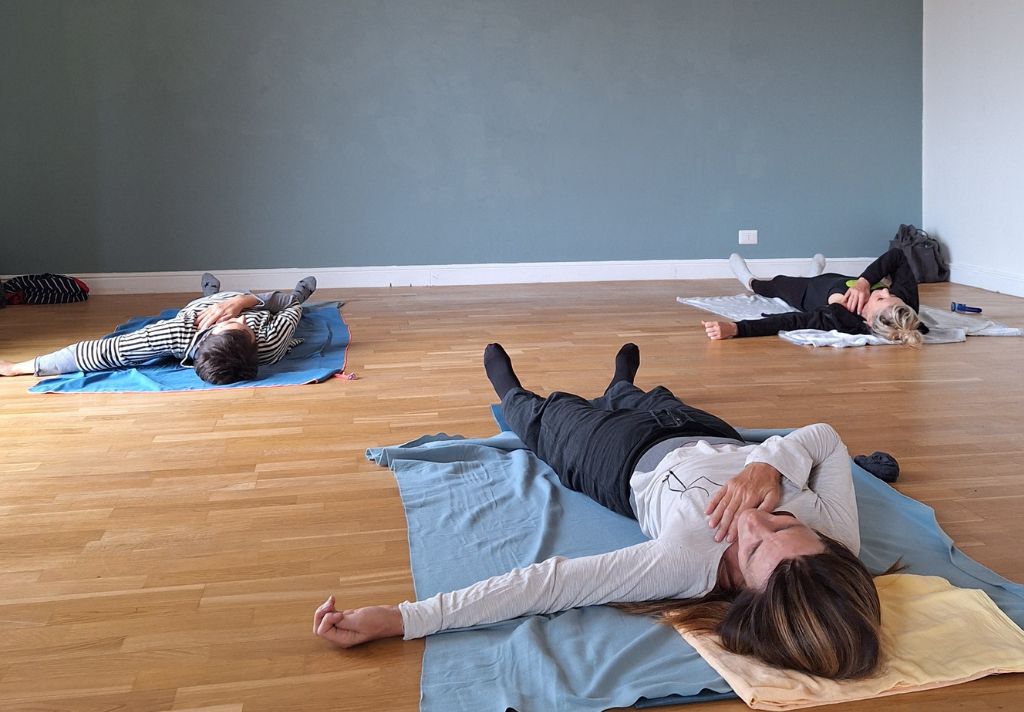
A practice that trains the nervous system, reduces unnecessary tension, and improves posture, coordination, and performance.
People who are unfamiliar with the Feldenkrais Method often describe it as a form of “gentle gymnastics.” While this isn’t an accurate definition of what Feldenkrais is, it does contain some truth. The Feldenkrais Method is a kind of gymnastics... one for the brain!
Unlike more traditional movement practices, the Feldenkrais Method does not focus on muscle strengthening or athletic performance — although these are often natural outcomes of the practice. In fact, by reducing baseline tensions and increasing movement awareness, athletic gestures and muscular efficiency can improve significantly, often surprisingly.
At the heart of the Feldenkrais Method lies the brain and the nervous system, not the muscle. Movement is never an end in itself, but a tool for learning: through movement, we learn to know ourselves better — and therefore use ourselves better.
Movement as a Tool for Awareness
Even when an Awareness Through Movement® lesson focuses on a specific joint or body part, the goal is not to “fix” or “improve” that area in isolation. The real aim is to integrate greater awareness of that part into the whole body-mind system, enhancing overall quality of movement and perception.
Why Is Movement So Essential?
Since the very beginning of life on Earth, movement has been crucial for survival: to find food, escape danger, explore, communicate, and evolve. In today’s increasingly automated and sedentary world, we tend to forget how important it is to move functionally and consciously, to keep the whole system (body and mind) active and adaptive at any age. This isn’t about going back to living like we did in the Stone Age — but rather about not letting our innate abilities fall asleep. And it’s not about jumping from a sedentary lifestyle to running a marathon, either.
Change begins in the details:
- How do you get up from a chair?
- How do your feet meet the ground when you walk?
- Which side do you chew on more?
- Which hand do you use to hold onto support on public transport?
Feldenkrais: Not Just Relaxation — Stimulation
Feldenkrais lessons aren’t just about relaxing or stretching. While they often lead to a deep sense of well-being, their main purpose is to stimulate the nervous system to learn more efficiently. They help us identify and let go of unnecessary effort, organize ourselves better in space and movement, and use our resources more intelligently. Yes, strong muscles are helpful — but it’s the brain, not the muscle, that determines how we move in the world.
Small Stimuli, Big Changes
At first glance, the Feldenkrais Method may seem to require paying attention to too many details. But in truth, just a few small, targeted stimuli are enough to awaken the body’s natural intelligence. The brain is plastic, adaptable, and surprisingly quick to respond.
The Feldenkrais Method encourages us to move with greater intelligence, less effort, and more presence. A true form of gymnastics for the brain — one that begins in the body and changes how we live.
Curious to discover how movement can transform the way you think, perceive, and act?
Every change begins with a small movement.
